By Dr. Tassos Anastasiades
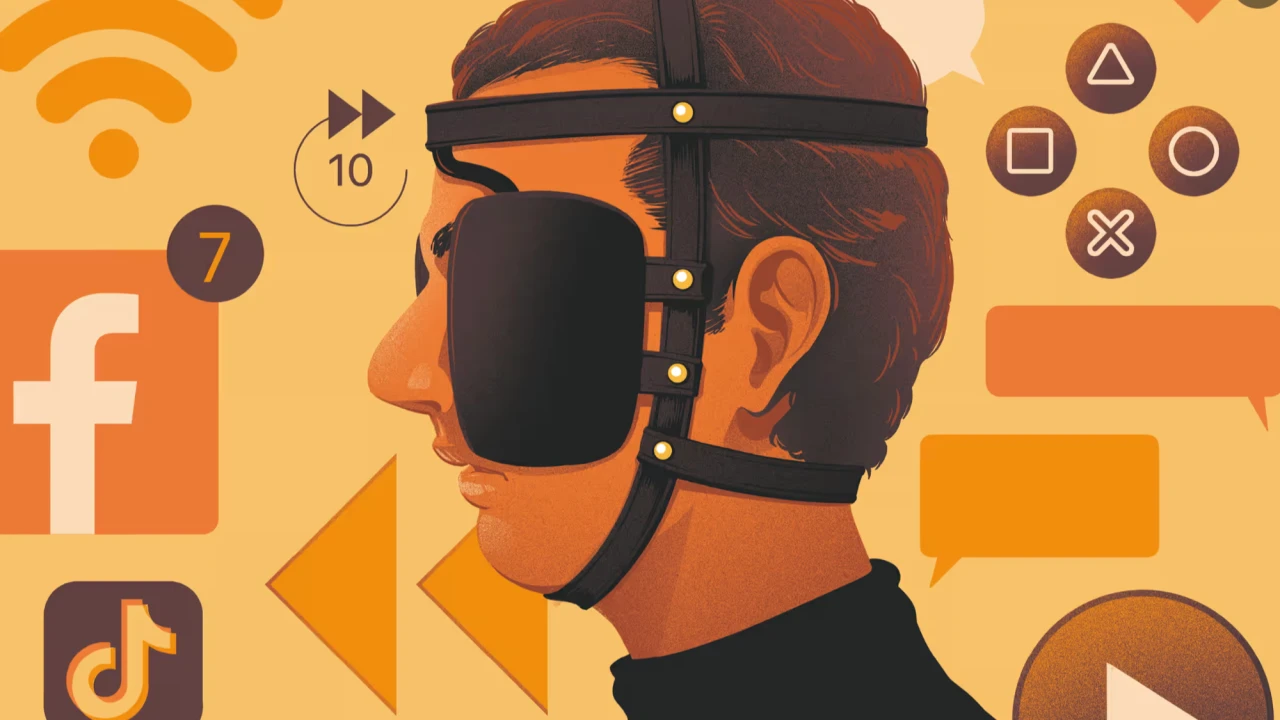
Education thrives on deep thinking and emotional resilience, yet today’s students face an unprecedented challenge: the emotional turbulence caused by relentless digital distractions and social media. Notifications, algorithm-driven feeds, and infinite scrolling aren’t just background noise—they are fundamentally reshaping how students process information, engage with learning, and regulate their emotions.
The Emotional Cost of Social Media
Social media amplifies cycles of comparison and validation. Students are drawn into dopamine-fueled engagement that distorts self-worth, heightens anxiety, and erodes their ability to focus. The pressure to curate a perfect online persona leads to emotional exhaustion, as students struggle to keep up with idealized images and peer achievements. This constant emotional strain fragments attention and undermines the ability to engage in deep, meaningful learning.
Research consistently finds that passive scrolling and constant comparison lead to rumination, emotional suppression, and increased distress. The highlight-reel nature of social media fosters unrealistic expectations and feelings of inadequacy, creating a cycle where negative emotions drive further social media use, deepening emotional turmoil.
If education fails to intervene, we risk producing learners who consume information but struggle to think critically, reflect deeply, or maintain emotional resilience. The ability to sit with complex ideas, engage in thoughtful discourse, and navigate intellectual challenges is being lost to digital overstimulation and emotional volatility.
Reclaiming Attention and Emotional Well-being
Reclaiming attention requires more than simply eliminating distractions—it demands actively filling the void with meaningful engagement, particularly through flow states that allow deep, effortless focus. Research by Mihaly Csikszentmihalyi highlights three key conditions for achieving flow: setting a clear goal, ensuring it is personally meaningful, and challenging oneself at the edge of one’s abilities.
While a digital detox can temporarily restore focus, the effect is short-lived. Philosopher James Williams points out that personal abstinence alone cannot counteract systemic forces degrading our attention. Just as rising obesity rates are driven by environmental factors, our cognitive endurance is being eroded by the very design of our digital environments.
Ultimately, addressing this crisis requires both individual strategies and collective action to challenge societal forces actively diminishing focus and emotional well-being, rather than placing the burden solely on personal discipline.
How the IB and MYP Help Students Thrive
The International Baccalaureate (IB), particularly through its Middle Years Programme (MYP), offers a holistic framework to help students not just survive, but flourish in the digital age.
Approaches to Learning (ATL) Skills
At the core of the MYP are the Approaches to Learning (ATL) skills—a set of strategies that empower students to manage their learning, emotions, and digital engagement effectively:
- Self-Management: Students develop skills to set meaningful goals, monitor progress, and regulate emotional responses, building resilience against stress and anxiety fueled by social media.
- Social Skills: Collaborative projects and service learning foster empathy, positive peer relationships, and a strong sense of community, counteracting the isolation and comparison often intensified by online platforms.
- Research and Information Literacy: Students learn to critically evaluate sources, recognize bias, and navigate the overwhelming flood of digital information with discernment.
Critical Thinking and Inquiry
Critical thinking is a cornerstone of the MYP and IB Diploma Programme, especially through the Theory of Knowledge (TOK) curriculum. Students are encouraged to question assumptions, analyze evidence, and reflect deeply on how information is processed and how technology shapes cognition and emotion. TOK challenges students to recognise distraction as a cognitive and emotional drain and to actively cultivate focus, discipline, and self-regulation.
Emotional Development and Resilience
- The MYP fosters self-awareness and reflection, with approximately 75% of students regularly engaging in self-reflection and most reporting moderate to high levels of emotional well-being.
- More than half of MYP students are “flourishing,” meaning they function effectively and feel good about themselves.
- Through inquiry-based learning and metacognitive activities, students develop coping strategies and emotional regulation skills essential for navigating the pressures of digital life.
Social Skills and Community Engagement
- The MYP’s emphasis on collaboration, service as action, and community projects helps students build empathy, positive relationships, and leadership skills.
- Most students report high satisfaction with school and a strong sense of fellowship with peers.
- These experiences cultivate social responsibility and a supportive environment that buffers emotional stress.
Managing Digital Distraction
- The MYP addresses the realities of technology use by teaching students structured approaches to time management and mindful digital engagement.
- By integrating ATL skills and critical thinking, students learn to identify when their attention is being hijacked and develop intentional habits to maintain focus and emotional balance.
The Responsibility of Schools and Families
Schools must lead by creating environments that prioritize immersive, focused learning and emotional well-being, minimising unnecessary digital interference. Families also play a critical role by modeling healthy digital boundaries and supporting students’ emotional regulation outside the classroom.
Your Attention Didn’t Collapse — It Was Stolen
Reclaiming attention requires more than simply removing distractions—it demands filling the void with meaningful engagement, especially through flow states that enable deep, effortless focus. Mihaly Csikszentmihalyi’s research identifies three conditions for flow: clear goals, personal meaningfulness, and challenges that push one’s abilities.
While digital detoxes can temporarily restore focus, their effects are fleeting. Philosopher James Williams highlights that personal abstinence alone cannot reverse systemic attention degradation. Like obesity, which is driven by environmental factors beyond individual willpower, our cognitive endurance is undermined by hyperconnected digital environments designed to capture and fragment our attention.
Addressing this crisis requires both personal strategies and collective action to challenge societal forces that diminish focus and emotional well-being. Education must empower students not only to resist distraction but to cultivate deep, meaningful engagement and emotional resilience.
Moving Forward: Reclaiming Control Over Learning and Well-being
If we fail to act, we risk raising a generation defined by reactive consumption, fragmented attention, and emotional fragility. The IB and MYP’s holistic approach—grounded in ATL skills, critical thinking, and emotional awareness—ensures students become active architects of their learning and well-being, not passive victims of the digital age.
Let’s move this conversation forward. Join us at the upcoming conference in Bahrain and Riyadh to explore proven strategies that help students navigate digital distraction, reshape their cognitive and emotional habits, and reclaim control over their learning and well-being.
#InternationalBaccalaureate #MYP #ApproachesToLearning #CriticalThinking #DigitalWellbeing #EmotionalResilience #TechnologyInEducation #EducationConference