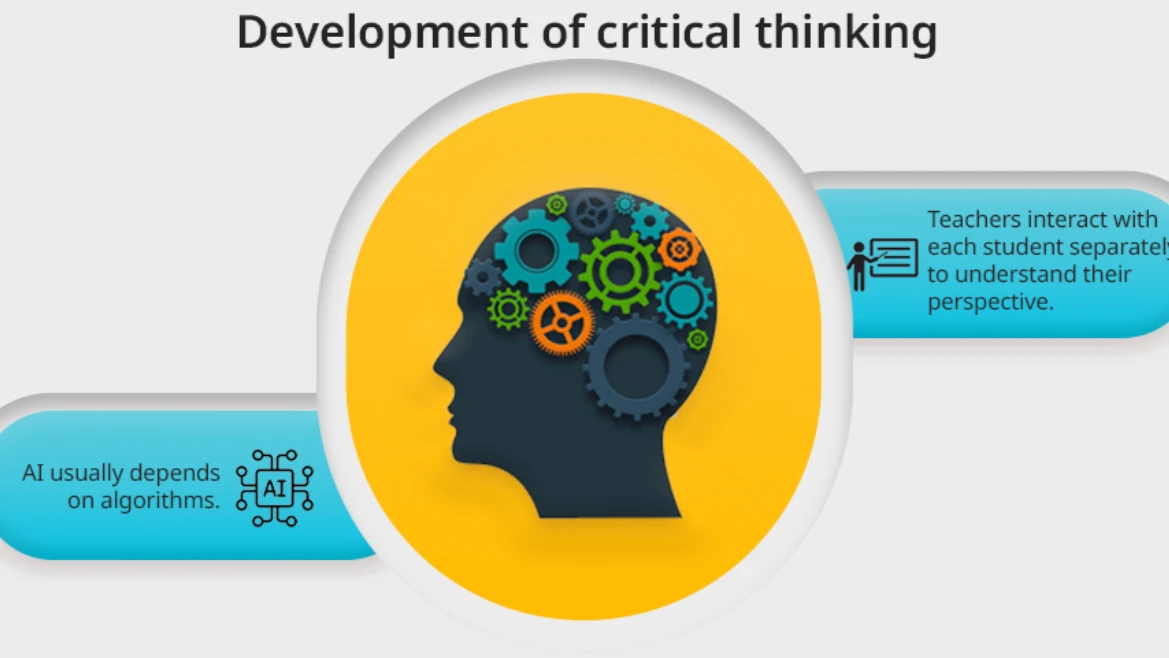
Artificial intelligence has reshaped education by providing quick answers and automated solutions. However, true learning isn’t just about arriving at the correct response—it’s about understanding how we get there. Reflection, the process of thinking critically about one’s learning, plays a vital role in developing comprehension, problem-solving skills, and intellectual independence.
While AI can analyse data and generate results, it cannot replicate deep human thought. Reflection requires time, effort, and self-awareness, enabling students to refine their strategies, adjust their understanding, and grow from their experiences.
Learning
Before beginning an assignment, students should consider what they already know, how previous learning connects to the task ahead, and what challenges they might encounter. Identifying assumptions allows them to approach the subject with curiosity rather than bias, and breaking the task into manageable steps fosters strategic thinking.
During the learning process, pausing to reflect sharpens focus. Students should ask themselves whether they are critically engaging with information or merely accepting it, whether their own ideas are developing, and how well they are managing their time. Adjusting their approach mid-task ensures greater effectiveness and prevents them from working mechanically.
Reflection
After finishing, reflection deepens understanding. Looking back at how challenges were handled and how closely the final product aligns with the initial vision provides valuable insights. Evaluating one’s progress as a thinker and problem-solver fosters adaptability and personal growth, while considering how new knowledge might be applied beyond the classroom helps transform learning into something meaningful.
Critical Thinking
Beyond academic improvement, reflection strengthens critical thinking, builds resilience, and encourages self-awareness. It enhances memory retention, supports problem-solving, and nurtures emotional intelligence by helping students recognize and manage their feelings about learning experiences. Moreover, reflective learners engage more deeply with content, making their education more relevant and lasting.
Curiosity
AI can assist with efficiency, but it cannot replace human curiosity, adaptability, or growth. Embedding reflection into education ensures that learning remains a transformative process rather than a mechanical one. While AI provides information, reflection provides wisdom—helping students take ownership of their development and prepare for the complexities of the world.
#Reflection #Education #AIvsReflection #DeepLearning #CriticalThinking #TeachingStrategies #StudentGrowth