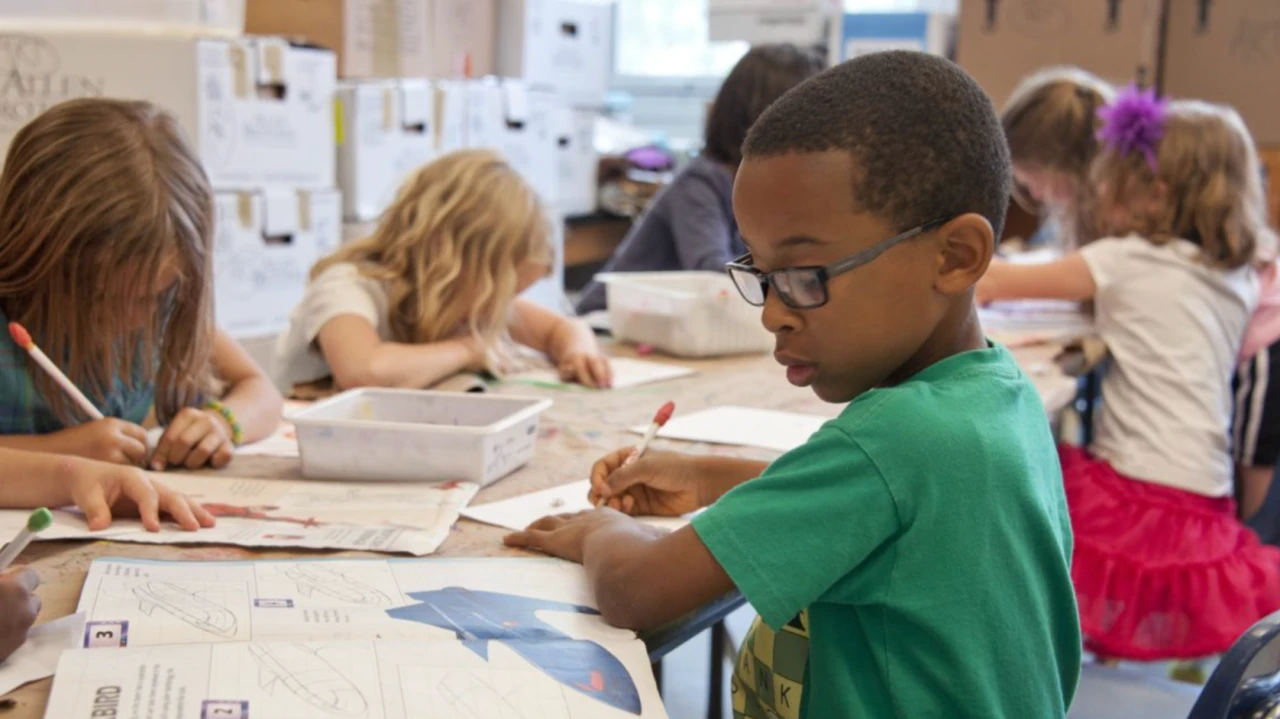
Education should be more than a system where children passively absorb information dictated by teachers. True learning happens when students engage with ideas, ask questions, and make connections—not simply recite facts. The IB philosophy embraces this, promoting conceptual learning, interdisciplinary thinking, and student agency.
However, many children today feel disconnected from their education. A young student summed up the issue perfectly: “I’m a child, and I can’t do anything.” This frustration stems from an approach that prioritises content delivery over deep understanding. When students are simply expected to memorise facts without grasping their relevance, they lose motivation.
From Memorisation to Meaningful Understanding
A study across three types of primary schools—a private school, a community state school, and an academy—highlighted major differences in student engagement.
– In traditional settings, students felt like passive learners. One child shared, “We don’t decide, we just do what we’re told.”Lessons focused on delivering information rather than helping students explore concepts in meaningful ways.
– In contrast, IB-inspired approaches encourage conceptual learning, where students uncover the why behind topics rather than just memorising the what. Schools integrating inquiry-based learning saw students develop stronger critical thinking skills, allowing them to apply knowledge rather than simply recall it.
For example, a school that embraced student-led inquiry started each year’s curriculum with children bringing in objects of personal interest—a Coca-Cola bottle, a rock, a piece of artwork. Instead of just describing these items, teachers guided students in exploring connections—what does a Coca-Cola bottle reveal about marketing, globalisation, or chemistry? This approach deepens understandingrather than relying on rote memorisation.
Structured Freedom: Balancing Guidance and Student Autonomy
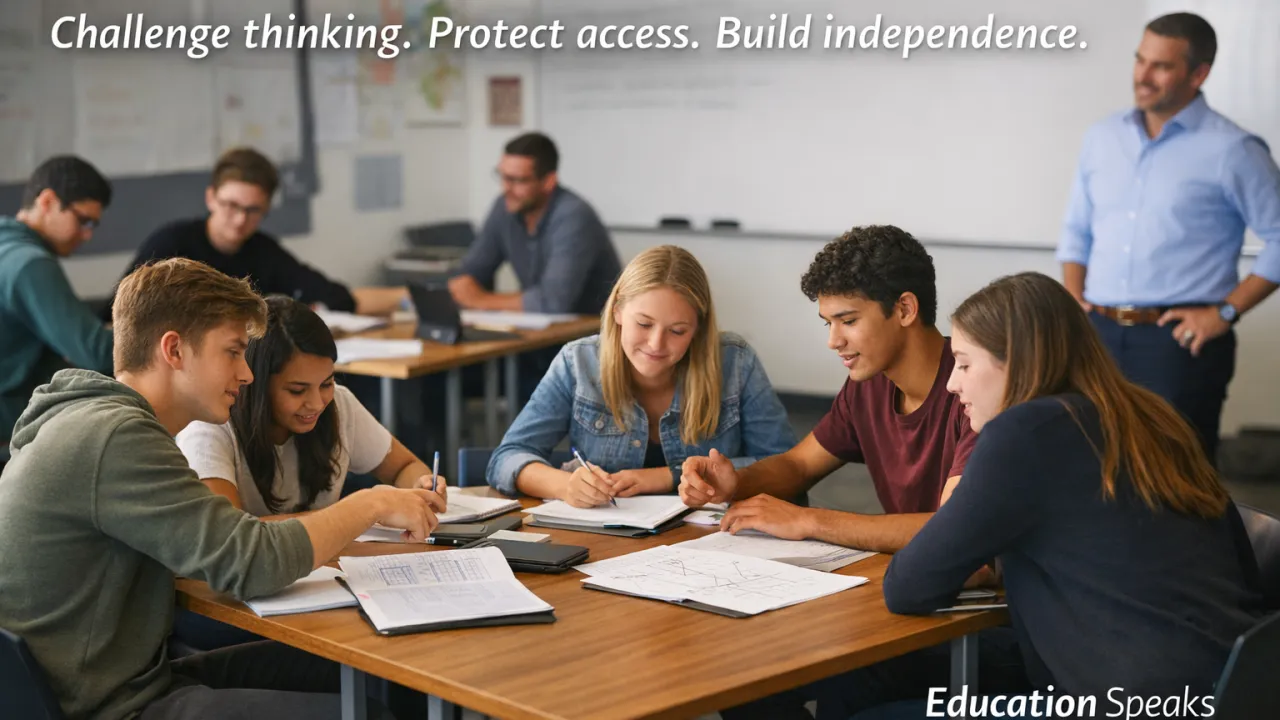
Empowering students doesn’t mean eliminating structure—it means integrating choice within well-defined learning frameworks. The IB model fosters student agency by encouraging learners to ask questions, experiment, and reflecton their understanding.
A key component of conceptual learning is connecting knowledge across subjects. When students understand how different disciplines intertwine, they develop problem-solving skills and adaptability, preparing them for an uncertain future. In contrast, rote learning focuses on isolated facts without emphasising relationships between concepts.
Instead of simply memorising historical dates, students should examine the causes and consequences of events. Instead of reciting scientific formulas, they should apply them to real-world scenarios. Through structured inquiry, students engage deeply with knowledge, making learning more impactful and long-lasting.
Rethinking Education for the Future
The IB’s emphasis on conceptual learning, inquiry-driven exploration, and student autonomy provides a strong foundation for broader educational reform. Curricula should shift from content-heavy delivery to fostering understanding, encouraging students to think critically, make connections, and apply their learning in meaningful ways.
For parents and educators, advocating for student choice, engagement, and a focus on conceptual understanding is crucial. If children develop skills for questioning, reasoning, and exploring knowledge, they will approach education not as a task but as an exciting intellectual journey—one that prepares them for a rapidly evolving world.
#EducationSpeaks #StudentAgency #ConceptualLearning #IBEducation #InquiryBasedLearning #FutureOfEducation #StructuredFreedom #EmpoweredStudents #CriticalThinking #EducationReform