Educating children to become independently thinking, globally and ecologically conscious, innovative, communicative and happy young individuals
We speak about developing curriculum as if its outdated.
We dream of the development of curricula which focus on inspiring learners to achieve the best that they can with the gifts that they have.
We all speak of a curriculum that is ubiquitously linked with the real life, so that it has a meaningful link to the reality that students live in and understand, a meaningful personalised context.
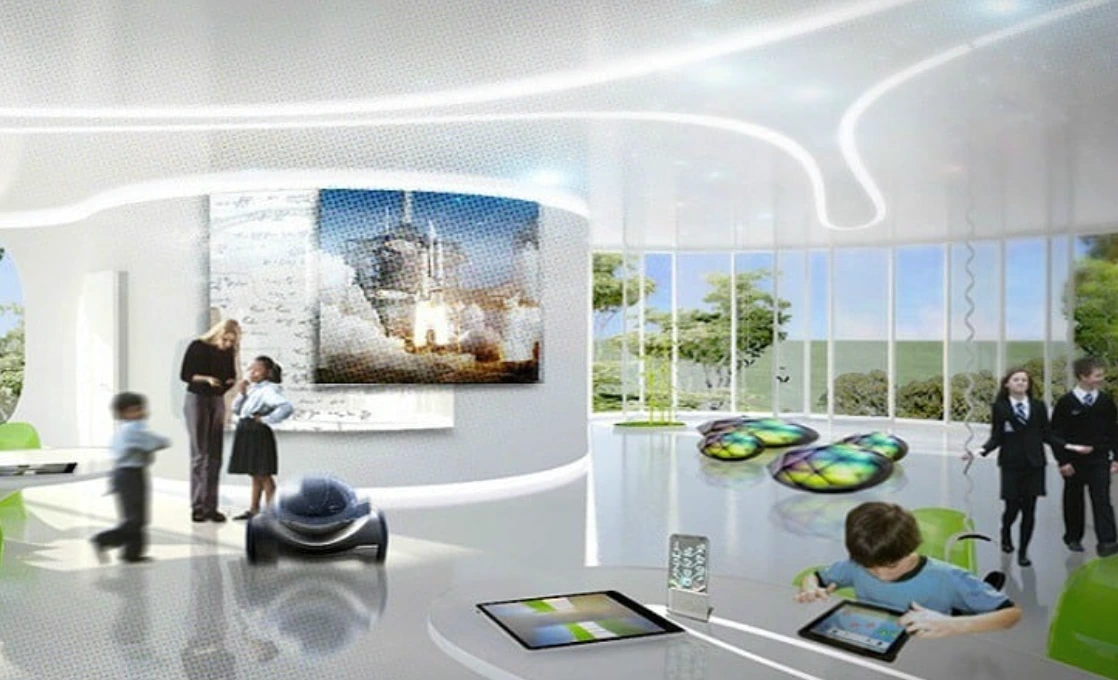
We know that all learners are now digital natives and that their lives are inextricably linked with educational tools.
We recognise that it is quite motivational for them to learn in a fun and innovative way.
Rethinking curriculum
This provides us all with real opportunities for truly transforming the way in which curricula are planned with a real focus on inquiry-based and problem-based learning.
This will lead to much deeper and meaningful understanding and will allow each individual to choose their learning style preference according to his/her talents preferences and abilities.
This will develop a curriculum pathway allowing a naturally personalised learning experience leading to deeper cognitive involvement and deeper understanding.
Inspiring young minds
Inspiring young people, is about allowing them to experience learning in the real natural world: so that they can experience the beaches, the spring blossoms, the dams and why they are built, the valleys and mountains, feel the soil, see and smell, experience.
Students need to be recognised by their own personal achievements, gaining more personal insight in developing sophisticated 21st century skills,.
They now experience and learn more in less time. This is a fact.
They are able to gain knowledge as well as self- awareness much quicker than ever before. EdTech is here to stay and evolve even further providing opportunities for innovative mindsets as opposed to content learning.
Unfortunately many schools still focus on presenting the knowledge and ensuring that students can memorise the content and regurgitate it in examinations. And many curricula are planned in that way.
Future employment
Most important to employers is the application of skills so that they can solve problems and make critical decisions, they can collaborate and interact, they are able to share their ideas with others, they are able to self-reflect, to peer assess, to continuously learn and – to innovate.
The role of the teacher
No longer are students seeing the teacher as the holder of all knowledge, but more working together in a collaborative classroom where they discuss and debate issues, concepts, find solutions.
The teachers role is to use their acumen to develop innovative thinkers still aspiring and reaching “the highest internationally recognised performance standards” a place where students become directors of their own learning.
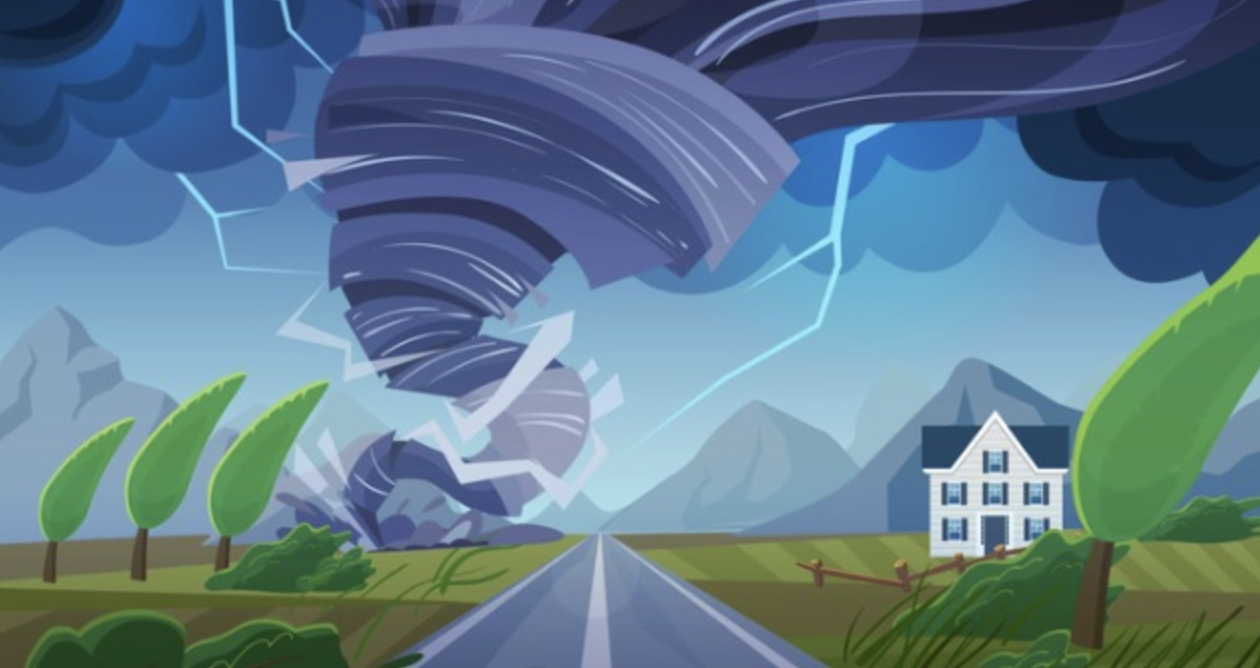
COVID-19 and the world’s unprecedented and unexpected storm for educationhas made it clear to educators that world-wide that technology can provide innovative ways to challenge and record evidence of learning on line.
It is evolving into an international platform without borders where literature, cultural festivities, performances, using the advancements of technology is available to all.
Becoming independent learners develops self-confidence and empowers students to become more involved in service learning, supporting refugees, connecting with other schools locally and globally.
Cultivating these skills and ensuring that each voice is heard and each individual regardless of their preference and ability is respected and valued is something each educator needs to emphasise and each administrator needs to apply.
An education for learners to thrive
Once we as educational leaders start to value trust and respect, equality and equity, cooperation, empathy, freedom to express, the joy of learning, and the fact that learning can be innovative, then we can start top carve the road to educating our children to become independently thinking, globally and ecologically conscious, innovative, communicative and happy young individuals.
Challenges for the now …
How do we develop our curriculum so that it becomes centre learner driven?
How do we continue to develops approaches to learning inspired by effective teaching strategies?
How do we embrace the opportunities to work within global contexts, in our classrooms and as a result help students understand different languages and cultures?
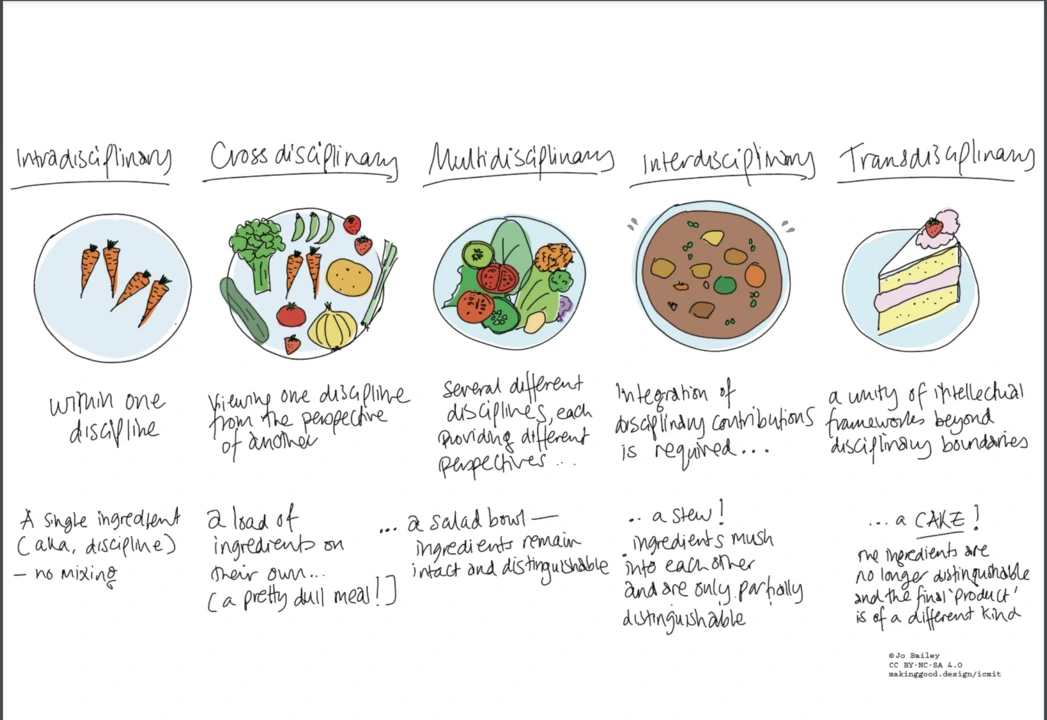
How do we take away the focus on content and knowledge and as a result develop interdisciplinary understanding yet achieve through this, rigorous international standards?
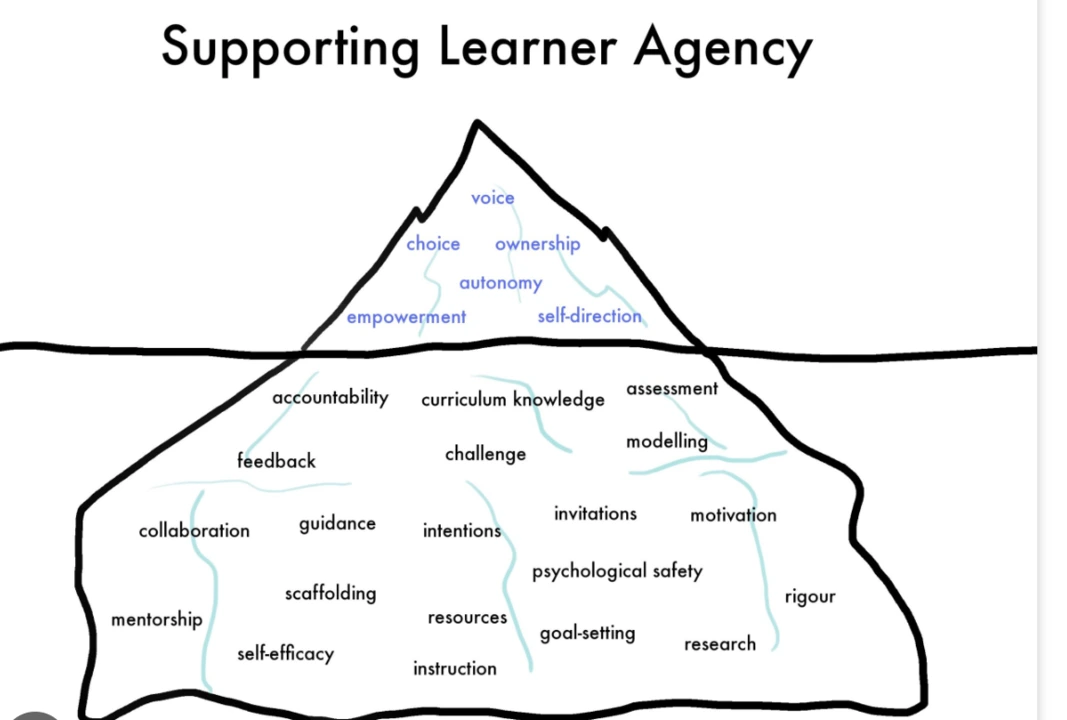
How can we engage the inquiring mind which we see from birth, and develop this by instilling agency in the learner, where action and reflection are part of their day to day learning?
How can we enable and support students as they develop the approaches to learning they need – for both academic and personal success?
Could the IB be the philosophy that provides the pathway for change?
In a recent interview the IB Director-General Olli-Pekka Heinonen stated that:
“When talking about learning that happens in real-world situations, we are talking about deep learning. By valuing and acting out what you know, that becomes part of your identity. That is a durable thing that no one can take away from you. You will have that as your own capital for the rest of your life.”
For students to thrive and make a difference, we are called to engage in open, forthright conversations about what we teach and how we teach it; how we can help our students become the agents of change we so desperately need.
“The standardized ways of teaching and learning only fit some, and therefore fail to uphold the principle of equity. This way of thinking about teaching was a function of a bygone era, and it completely fails to reflect the world our students – but also our teachers – now occupy. The near future of the IB involves moving beyond these anachronistic ways of thinking about pedagogy and assessment.
There are developments to explore in terms of digital teaching, digital assessment and digital qualifications that we must commit to exploring and piloting.”